Trending News
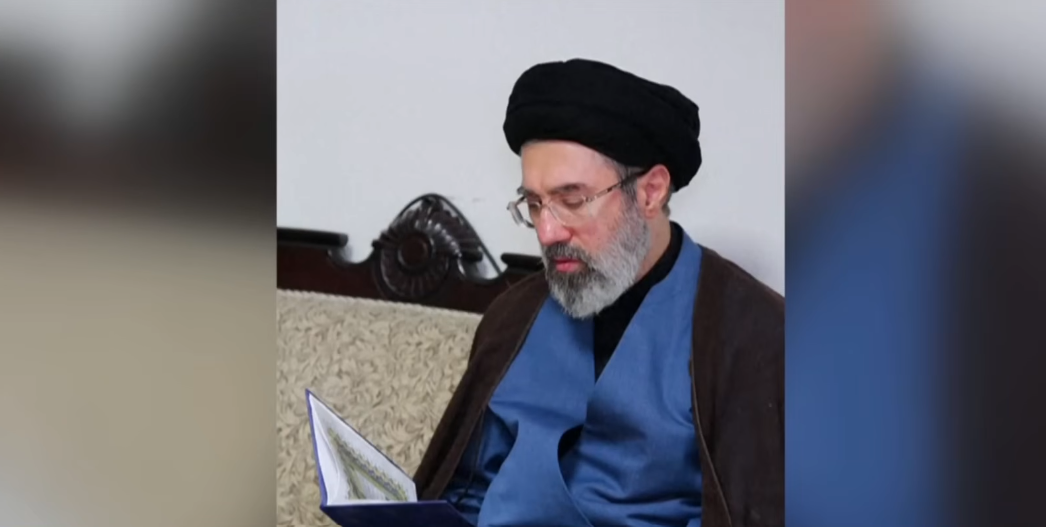
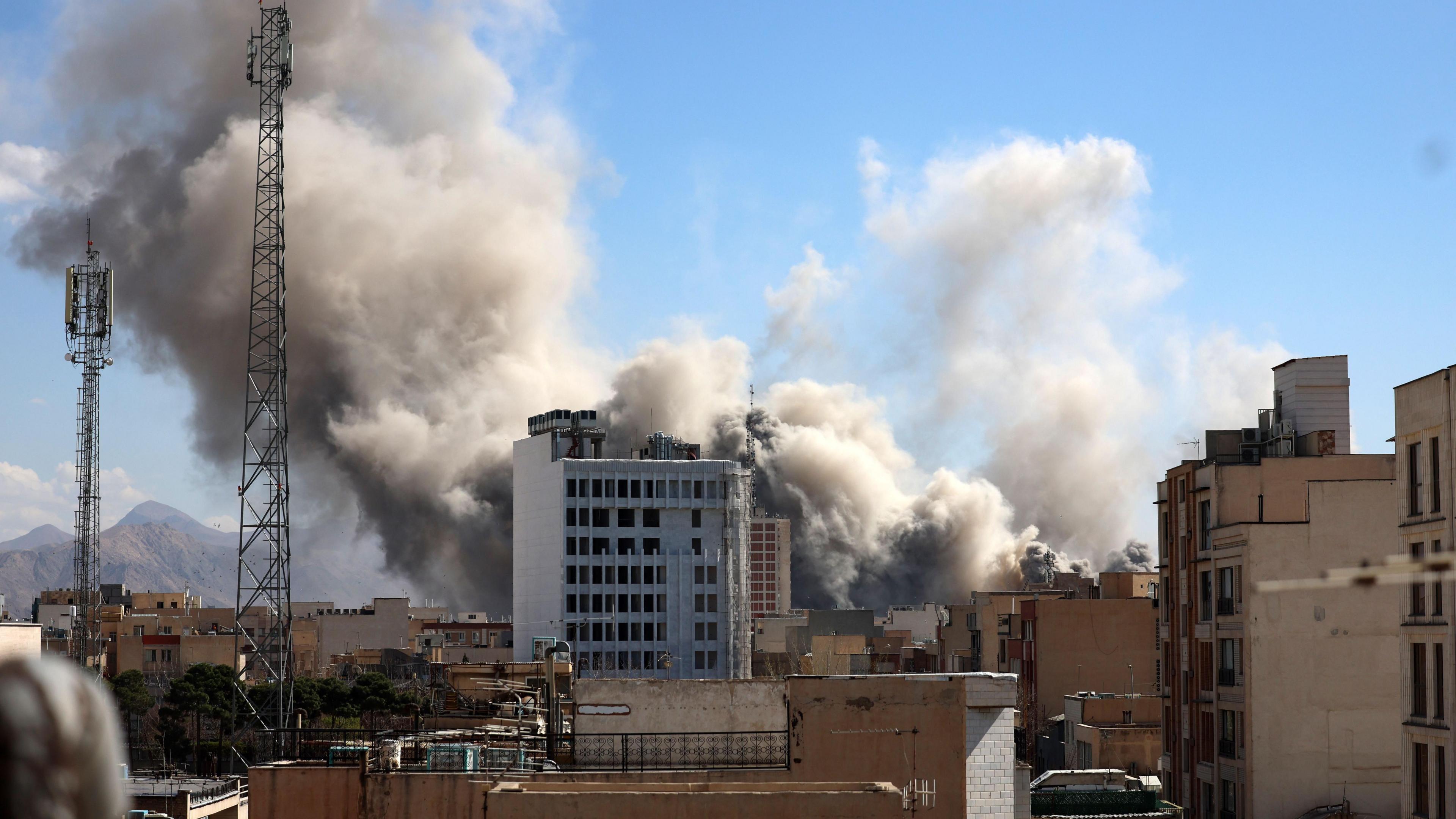
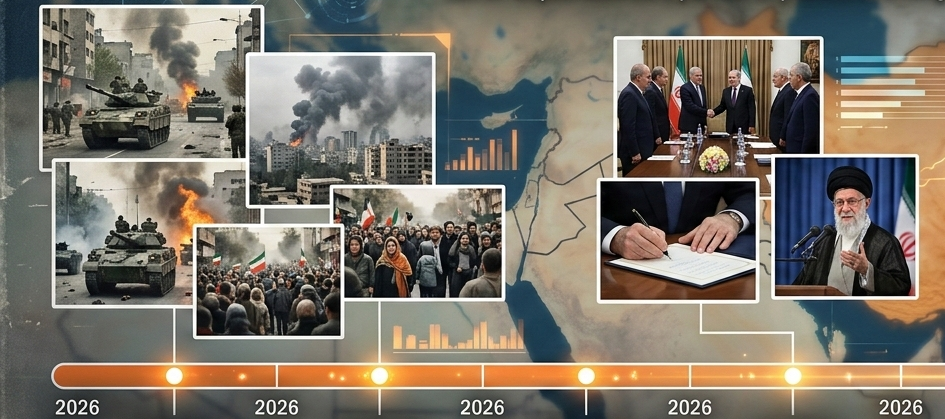
Iran has officially appointed Mojtaba Khamenei as the country’s new supreme leader, following the death of his father, Ayatollah Ali Khamenei, early in the 2026 conflict with the United States and Israel. The Assembly of Experts, an 88?member clerical body constitutionally responsible for choosing Iran’s supreme leader, selected Mojtaba Khamenei on 8?March?2026, making him only the third person to hold the position since the Islamic Republic was established in 1979.
Mojtaba, 56, had long been a figure of influence within Iran’s clerical establishment but had never held elected office before his appointment. He has deep connections to the Islamic Revolutionary Guard Corps (IRGC) and the country’s security apparatus, and Iranian state media and senior officials quickly rallied behind his leadership.
Iranian officials described his elevation as a step toward consolidating national stability and reaffirmed their commitment to resisting external threats. Iran’s president and senior clerics publicly praised the decision, with some framing it as a continuation of the Islamic Republic’s ideological path. Government statements emphasized national sovereignty and resistance against perceived foreign interference.
Oil prices surged following the announcement as markets reacted to the perception that the conflict could extend under new Iranian leadership.