Trending News

City of Joburg MMC for Human Settlements Mlungisi Mabaso says his department will not use South African taxpayers’ money to provide services to informal settlements mainly occupied by foreign nationals. In a social media video, Mabaso stated, "If it’s more than 10,000 foreign nationals, we take the money from South African taxpayers and go to service foreign nationals in informal settlements - I said that is not going to happen."
“That will happen while there’s another MMC, because I will also not stay in these positions forever. They will receive the services when I am removed one day, but not while I am still the MMC. Mabaso reaffirms his position in the video, stating, "I am not going to service 10,000 foreign nationals." In fact, I am stating that publicly at this meeting. He argued that the city’s resources were already overstretched and being misused. He stated, "Our resources are being wasted because they are already stretched thin."
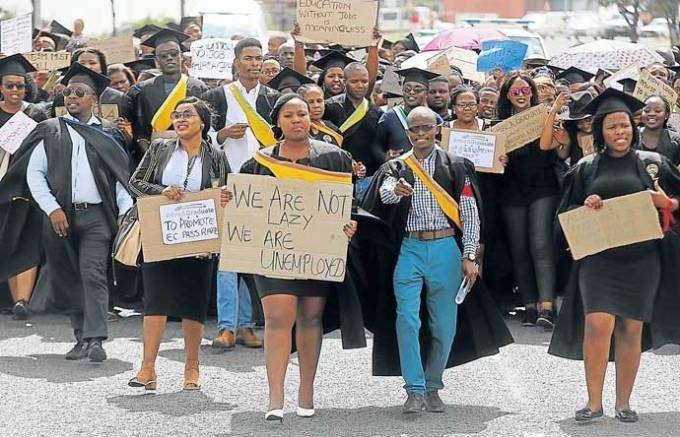
Mabaso also said that some officials and police officers were taking advantage of the system by building buildings in informal settlements and renting them out for money. “At informal settlements, we service tenants of certain leaders, including police officers, people who are employed by the government - the people who have money and qualify for bond houses, but come back to us to demand houses from us,” he said. We have a lot of residents who own homes but deny having the money for them. However, we are aware of the country's high unemployment rate and the large number of unemployed individuals living in informal settlements. It is difficult to assist these individuals because the informal settlements are crowded with people who are able to provide for their families financially.
Mabaso said that was the reason behind the growing number of double-storey structures in informal settlements. “That’s why you find double-storey houses in informal settlements. Building rental double-story homes with tenants inside and connecting illegally to government services (referring to the city) is not a lazy practice, he continued. He also accused some employed individuals of choosing to live in informal settlements to avoid paying for basic services. He stated, "The person is sitting somewhere else, has money, and a car, and comes and connects illegally for the service and doesn't pay for it." The proliferation of informal settlements has long been a problem for the City of Johannesburg.
The metro continues to struggle with widespread service delivery challenges, including water shortages, power outages, potholes, sewerage spills, crime, lawlessness, and uncollected waste. Just like many metropolitan areas, Johannesburg attracts large numbers of people, including undocumented immigrants, seeking better economic opportunities. Speaking to IOL News, Mabaso’s spokesperson, Sibonelo Mtshali, confirmed the remarks were made during a meeting with leaders of the Freedom Park informal settlement at the city’s Braamfontein offices.
Mtshali stated, "Yes, I can confirm that the MMC met with the leadership of Freedom Park on Tuesday, where he reiterated that he would not provide services for undocumented foreigners in informal settlements across the city." The purpose of the meeting was to discuss issues with service delivery in the region. Mtshali added, "The MMC was just highlighting that he would not use South African taxpayer funds to service foreign nationals - he is always saying this." He declined to elaborate on the broader concerns associated with informal settlements.
5 minute read
4 minute read