Trending News

The government signed a $1.5 billion (R26 billion) Development Policy Loan (DPL) from the World Bank, according to the National Treasury on Monday. DPLs are robust, adaptable, and quick-disbursing financing instruments that support a program of policy and institutional reforms funded by general budget financing to assist nations in achieving development goals.
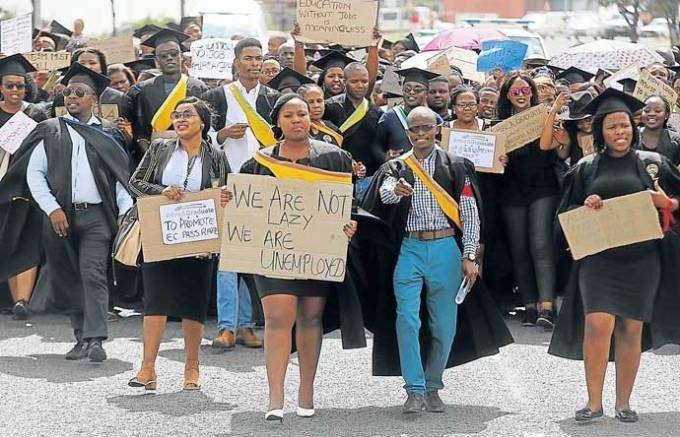
This agreement reinforces the robust and constructive collaboration between the World Bank and the South African government, paving the way for transformative changes aimed at elevating the country’s economic landscape. This strategic partnership aims to bolster structural reforms that enhance the efficiency, resilience, and sustainability of the nation's infrastructure services, particularly in the crucial sectors of energy and freight transport. This multi-faceted loan marks a significant intervention in the face of persistent economic concerns, including low growth and alarmingly high unemployment rates.
South Africa faces a deepening jobs and growth crisis, with unemployment more than 31% and average GDP growth below 1% over the past decade. Structural barriers—including weak governance, limited competition, and skills shortages—have slowed progress. Infrastructure services have declined: in 2023, power outages cut GDP by 2% and cost 500,000 jobs, while rail and port inefficiencies reduced exports by around 20%. The dismantling of existing infrastructure bottlenecks, which is a crucial step toward promoting job creation and enabling inclusive economic growth, may be sparked by this capital infusion, according to analysts. The agreement is constructed around three primary pillars of reform: • Improving energy security: Ensuring a reliable and stable energy supply is pivotal for economic development.
• Improving freight transportation efficiency: Modernizing transportation services will facilitate economic vitality by streamlining trade and logistics. • Supporting a low carbon transition: Aligning with global sustainability goals, this focus is set to strengthen South Africa's commitment to an environmentally friendly economy. The financing terms of the loan are carefully aligned with the National Treasury’s broader financing strategy, which is instrumental for maintaining the government's financial stability. The loan has attractive interest rates based on a 6-month SOFR plus 1.49 percent and offers flexible repayment options due to its 16-year maturity period and 3-year grace period. These terms are intended to cushion the country's debt service costs, which are an essential consideration in these difficult economic times.

US President Donald Trump is doubling down against the BRICS bloc of fast-growing economies — including Brazil, Russi...
5 minute read

3 minute read